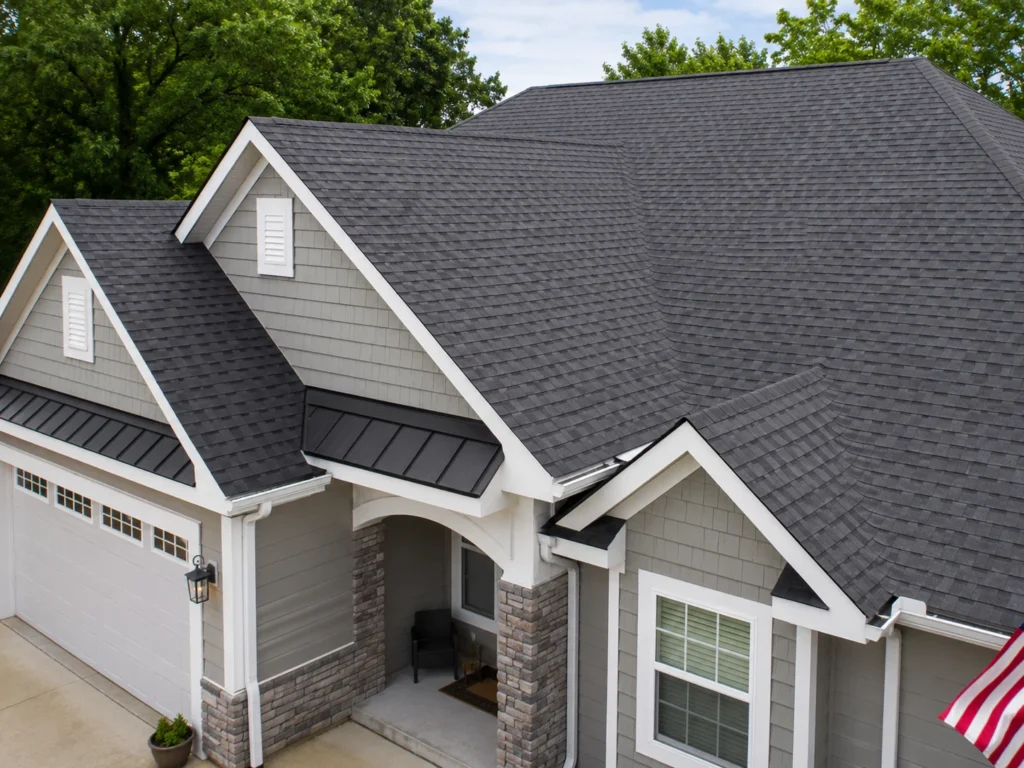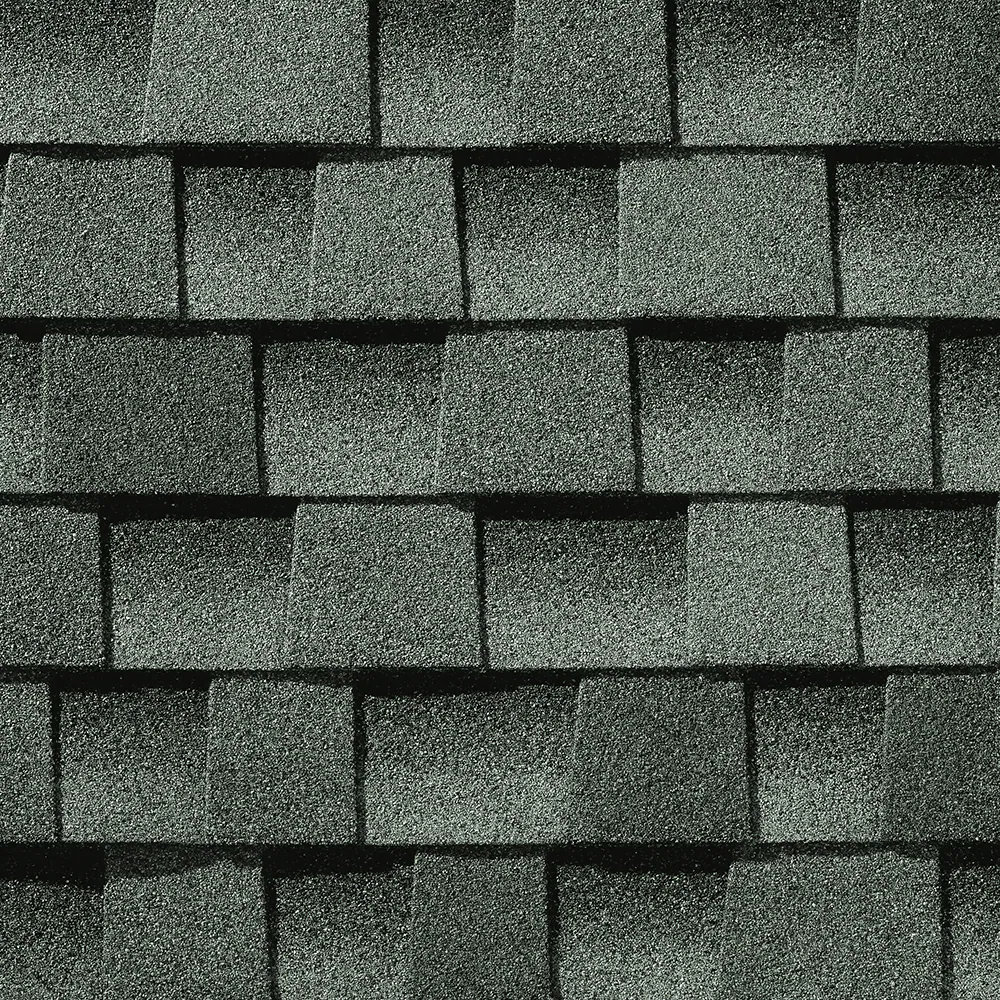
Class 4 is the highest impact rating a shingle can carry, and in the Dallas–Fort Worth metroplex, squarely inside the most hail-active corridor in the country, it is the single shingle upgrade that most often pays for itself. This guide covers what the rating actually means, how the Texas insurance discount works, which products we install, and the honest limits of what “impact-resistant” buys you.
What Class 4 actually means
The rating comes from UL 2218, the industry’s impact standard. The test is blunt and physical: a two-inch steel ball dropped from twenty feet onto the shingle, twice, in the same spot. To earn Class 4, the shingle can’t crack, split, or rupture on the back side. That steel ball approximates the kinetic energy of severe hail, and “twice in the same spot” matters because real storms don’t space their hits politely.
Manufacturers get there mostly with polymer-modified asphalt: SBS rubberizers blended through the shingle so it absorbs impact and rebounds where a standard shingle bruises and cracks. Some lines add reinforced backing mats. The result looks like an ordinary architectural shingle from the curb; the difference is in what happens when the sky opens.
The Texas insurance discount, explained properly
Texas insurers lose enormous sums to hail claims, so many of them discount the wind-and-hail portion of homeowner premiums for roofs certified with UL 2218 Class 4 products. The mechanics worth understanding before you buy:
The discount applies to the wind/hail portion of your premium, not the whole bill, and that portion is substantial on DFW policies precisely because hail risk prices high here. Discounts vary by carrier and policy; your agent can quote the exact figure in minutes. The paperwork is a product certification form. We provide it at completion, you send it to your agent, and the discount applies going forward. And one honest caveat some carriers attach: certain policies pair Class 4 discounts with cosmetic-damage exclusions, meaning purely cosmetic hail marking may not be claimable. Ask your agent both questions at once: what’s the discount, and does it change my cosmetic coverage?
The math that usually decides it
The Class 4 upgrade adds a modest percentage to a replacement quote, since the premium sits on the shingle product while the labor, tear-off, underlayment, and flashing cost the same either way. Against that one-time cost, weigh two recurring returns. The first is the annual insurance discount for as long as you hold the policy. The second is the storm-survival dividend: every hail event your roof shrugs off that would have damaged a standard shingle is a deductible you didn’t pay and a claim that never touched your record. In DFW, where significant hail returns on a cycle measured in years rather than decades, most homeowners who run the numbers with their actual insurance quote choose the upgrade.
What we install
We’re primarily a CertainTeed and GAF shop, and both make excellent Class 4 lines we install regularly: GAF Armor Shield II (the impact-rated take on the Timberline architectural profile) and CertainTeed’s NorthGate ClimateFlex family (SBS-modified through the shingle). Availability and color programs shift season to season; we’ll match the current lineup to your home’s look and confirm the exact product’s UL 2218 certification in your paperwork, because the certificate is what your insurer needs, not the marketing name.
The honest limits
Class 4 is the best impact protection shingles offer, but it is not a force field. Genuinely giant hail can damage any roofing product made, metal included. Impact rating also doesn’t change wind behavior, age, or heat exposure: a Class 4 shingle still lives the same DFW life of UV and thermal cycling, on roughly the same calendar. What it changes is the most likely cause of early death for a North Texas roof. Standard shingles here rarely die of old age; they die of hail. Class 4 gives your roof a real chance to die of old age instead, which in this market is the whole game.
Already have hail damage? The order of operations
If a storm has already hit, the Class 4 conversation belongs inside your claim, not after it. Insurance pays to restore what you had (the like-kind replacement), and the Class 4 upgrade is typically a modest out-of-pocket difference on top of the covered scope, paid once, discounted forever after. We document the damage, provide the itemized estimate with the upgrade priced as its own line, and you decide with real numbers. As always: we meet your adjuster to answer construction questions, we’re not public adjusters, and your deductible is yours. Texas law says so and so do we.