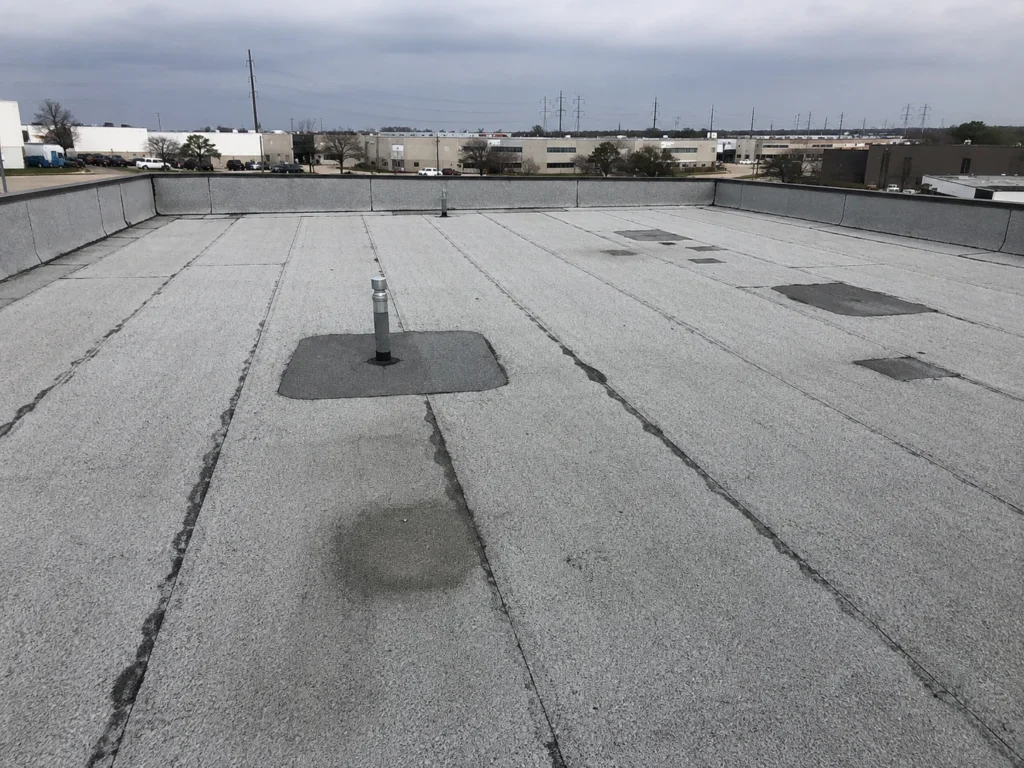
Mod-bit’s argument on Lowry Crossing buildings is layers: two or more plies of polymer-modified asphalt build a roof with backup. A puncture must get through redundancy, not one membrane. It handles rooftop foot traffic well, which suits buildings whose roofs double as equipment yards. Modern cold-applied and self-adhered systems have retired most of the old torch-down fire concerns.
We install and service modified bitumen roofing across Lowry Crossing and the surrounding DFW communities: free written estimates, documented inspections, and honest guidance on whether this system actually fits your home and budget.
On the ground in Lowry Crossing
What Modified Bitumen Roofing costs and returns in Lowry Crossing depends on the houses it goes onto. The ring towns mix housing eras freely: a 1970s ranch, a 1990s two-story, and a this-year build can share one street, and each takes this system differently. That inventory rewards the boring commercial virtues: documented seams, maintained drains, and a membrane matched to the building’s actual use.
The permit runs through Lowry Crossing’s building department; we handle the filing and the inspection scheduling as part of the job. When the next core drops through Collin County, single-ply shows bruise fractures that a chalk circle will not catch. Instrument surveys find what walking the roof misses. Because Plano, Frisco, and McKinney share our dispatch routes, examples of this exact system nearby are easy to arrange. We put the whole thing in writing (findings, grade, price, warranty) before you commit to anything.